
The Ultimate Guide to Forest School in Early Years
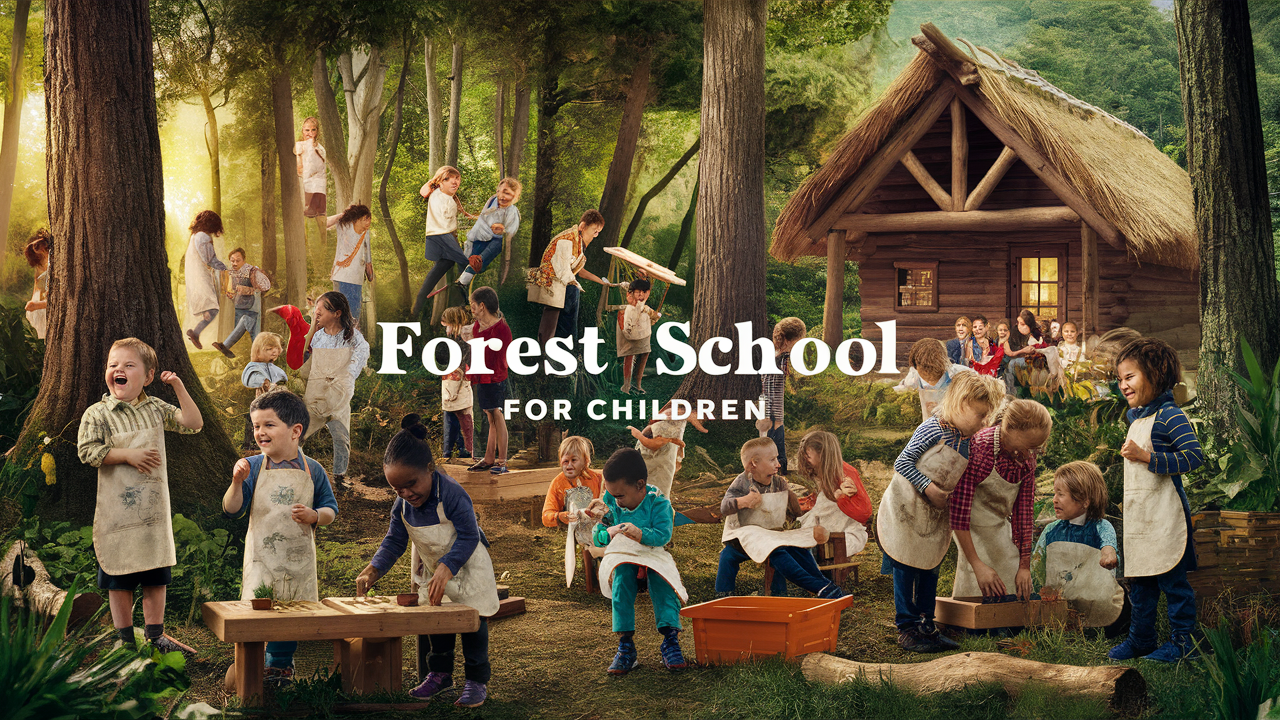
Forest School is an innovative educational approach that takes learning outdoors, encouraging children to explore, discover, and learn through hands-on experiences in a natural environment. Rooted in the philosophy that nature is a rich and stimulating classroom, Forest School in early years aims to foster a love for learning, develop critical life skills, and promote physical and emotional well-being among young children. Here’s a closer look at what Forest School entails, its origins, and the benefits of Forest School in early years.
The Origin of Forest School
The concept of Forest School originated in Scandinavia, particularly in Denmark and Sweden, during the early 1950s. Inspired by the region’s philosophy of outdoor learning and nature connection, the term “Forest School” first gained traction in Sweden with outdoor nurseries known as “I Ur och Skur” (Rain or Shine). The approach was introduced to the United Kingdom in the early 1990s, where it was adapted and gained widespread popularity, eventually spreading to other countries, including the United States, Canada, and Australia.
The Core Principles of Forest School

Forest School supports EYFS curriculum and is guided by several core principles that distinguish it from traditional classroom-based learning:
- Child-Cantered Learning
Forest School emphasizes child-led activities, where children are encouraged to follow their interests and curiosities. This approach empowers children to take ownership of their learning and develop a sense of independence.
- Regular and Repeated Sessions
Sessions are held regularly, often once a week, throughout the year. This consistency helps children in their early years, build a deep connection with the natural environment and develop a sense of routine.
- Long-Term Process
Forest School is designed as a long-term program rather than a one-off experience. This sustained engagement allows children to progress at their own pace, fostering continuous growth and development.
- Holistic Development
The activities in Forest School are designed to promote holistic development, addressing physical, emotional, social, and cognitive skills. Children engage in a variety of tasks that challenge them in different ways, encouraging comprehensive growth.
- Risk Management
Forest School leaders carefully manage risks to ensure a safe learning environment. Children are taught to assess and navigate risks, helping them develop critical thinking and problem-solving skills.
- Nature Connection
At its heart, Forest School aims to nurture a strong bond between children and nature. By spending time outdoors, children learn to appreciate and respect the natural world, fostering environmental stewardship from an early age.
Benefits of Forest School in Early Years

Forest School offers numerous benefits of Forest School in early years, impacting various aspects of their development and well-being.
- Physical Development
Outdoor activities such as climbing, balancing, and exploring uneven terrain help improve motor skills, coordination, and overall physical fitness. The natural environment offers diverse challenges that promote active and healthy lifestyles.
- Emotional Well-Being
Being in nature has been shown to reduce stress and anxiety, enhance mood, and boost overall mental health. Forest School provides a calming and nurturing environment where children can feel relaxed and happy, demonstrating the benefits of Forest School in early
years.
- Social Skills
Working in groups, sharing tasks, and collaborating on projects help children develop essential social skills. They learn to communicate, negotiate, and work as a team, building strong interpersonal relationships. This is one of the notable benefits of Forest School in
early years.
- Cognitive Development
Forest School encourages curiosity, exploration, and critical thinking. Children engage in problem-solving, decision-making, and creative thinking as they interact with the natural world and its challenges. This supports the cognitive benefits of Forest School in
early years.
- Independence and Confidence
The freedom to explore and make choices in a safe environment boosts children’s confidence and self-esteem. . They learn to trust their abilities and take pride in their accomplishments, further showcasing the benefits of Forest School in early years.
- Environmental Awareness
By spending time outdoors and observing nature firsthand, children develop a deeper understanding of the environment and their role in protecting it. This early connection fosters lifelong environmental stewardship, one of the crucial benefits of Forest School in early years.
Typical Activities in Forest School in early years
Forest School activities are diverse and adaptable, allowing children to engage with their surroundings in meaningful ways. Some common activities include:
- Den Building: Using natural materials to construct shelters, fostering creativity and teamwork.
- Bug Hunting: Exploring the undergrowth to discover insects and learn about their habitats.
- Nature Crafts: Creating art from leaves, twigs, and other natural items, encouraging creativity and fine motor skills.
- Storytelling: Sharing stories around a campfire, enhancing language skills and imagination.
- Climbing and Balancing: Navigating natural obstacles like logs and rocks to improve physical coordination.
- Plant Identification: Learning about different plants and trees, fostering knowledge of the natural world.
Implementing Forest School in early years
To implement a Forest School program, trained practitioners guide the sessions, ensuring safety and providing support. Parents and educators can also incorporate Forest School principles into their routines by:
- Encouraging Outdoor Play: Provide opportunities for children to play and explore outside regularly.
- Creating a Nature Space: Designate an area in the backyard or local park for nature-based activities.
- Incorporating Nature into Lessons: Use natural materials and outdoor settings for educational activities.
Conclusion
Forest School is a transformative approach to early years education, harnessing the power of nature to foster holistic development in young children. By embracing this method, educators and parents can provide enriching experiences that promote physical, emotional, and cognitive growth while instilling a lifelong love for learning and the natural world. The benefits of Forest School in early years are vast, making it a valuable addition to any early years curriculum.
Enhance the Learning Experience with Wandernest Tales
To complement the Forest School experience, consider integrating personalized stories from Wandernest Tales. Our books, featuring your child as the hero, bring nature and adventure to life, encouraging a love for reading and a deeper connection with the natural world. Visit our website today to explore our collection and make every learning journey magical!